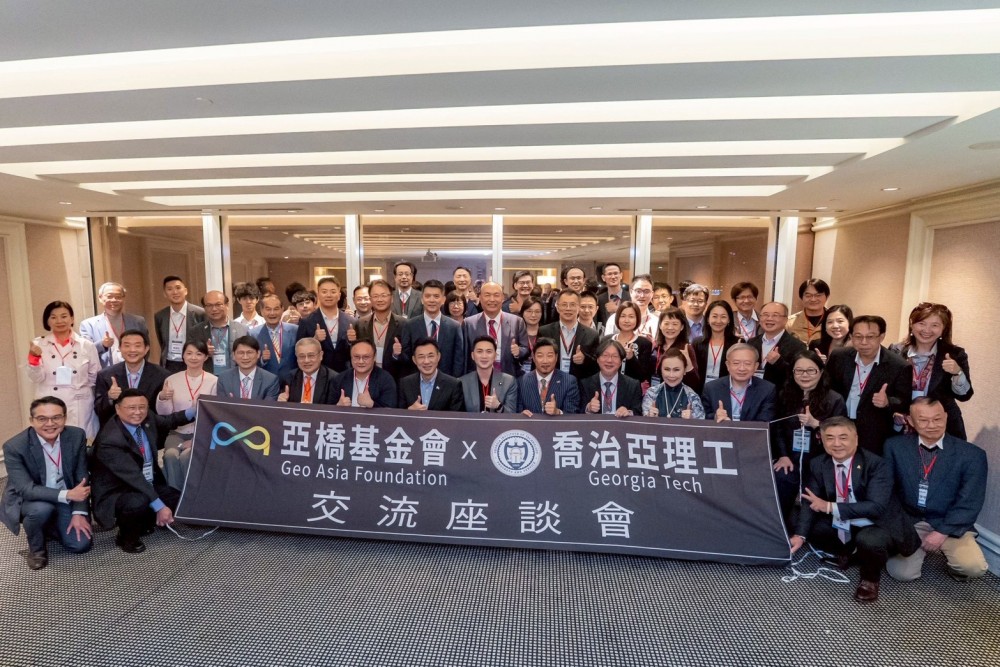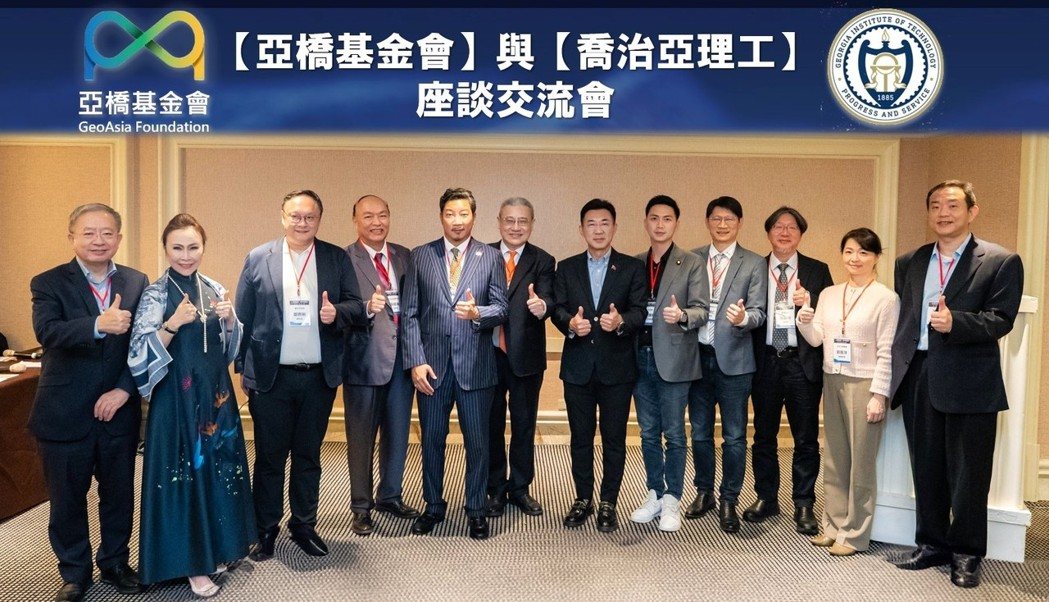
TAICHUNG, TAIWAN — December 15, 2025 — As the artificial intelligence (AI) landscape shifts from generative models toward the "Physical AI" (Embodied AI) frontier, Taichung—Taiwan's premier precision machinery hub—is seizing a historic opportunity for industrial transformation.
The GeoAsia Foundation and Georgia Tech (GT), recently concluded the Symposium and Strategic Dialogue Dinner in Taichung on December 12. The event convened over 50 leaders across the "Triple Helix" of industry, government, and academia to blueprint "RoboTaichung," a vision to establish the city as a global capital for intelligent robotics.
Taichung: The Next-Generation Robotics Manufacturing Capital
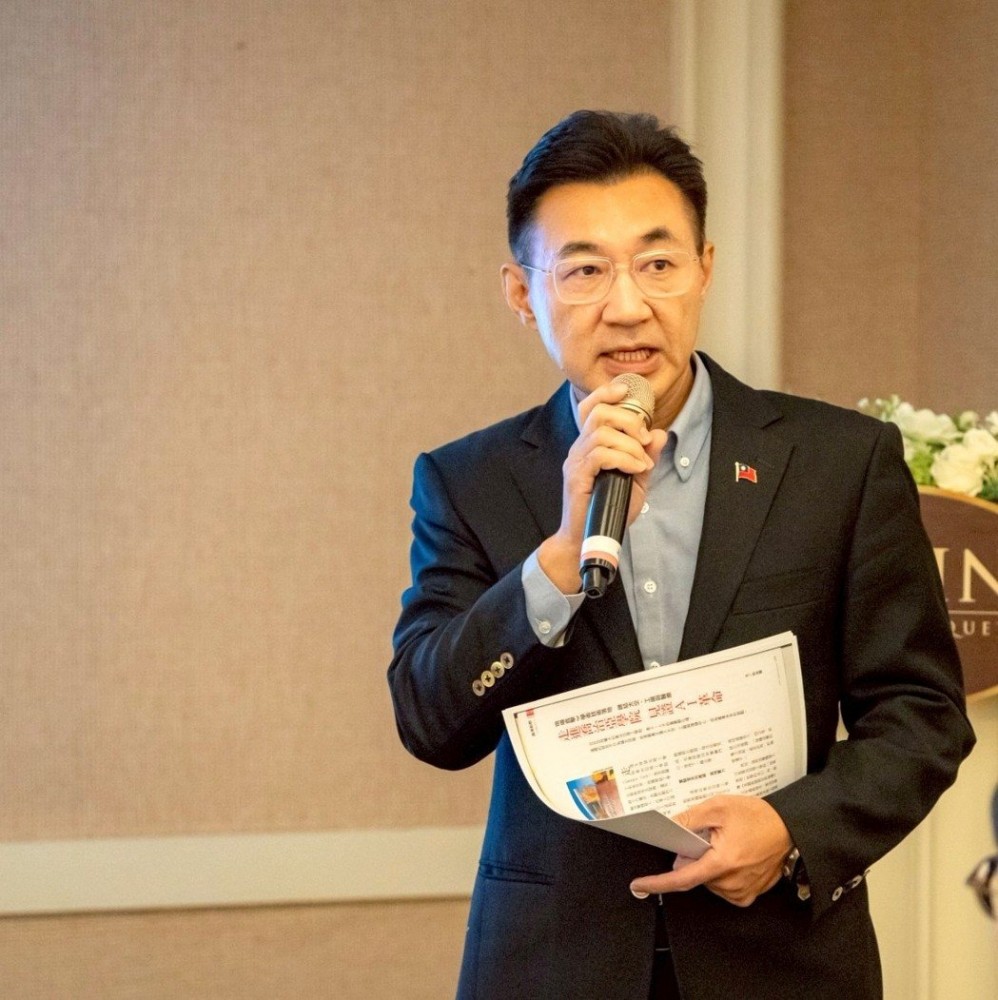
Chiang, Chi-Chen, Vice President of the Legislative Yuan, pledged full governmental support for the initiative. He identified Taichung as the "core hub" of global precision machinery, home to world-leading "hidden champion" enterprises. To drive this structural upgrade, the government will focus on:
- Intelligence-Driven Manufacturing: Transitioning traditional automation into AI-integrated smart systems.
- Supply Chain Integration: Building a comprehensive robotics cluster from upstream components to downstream systems.
- Elite Talent Pipelines: Deepening industry-academic partnerships to cultivate the next generation of AI and robotics engineers
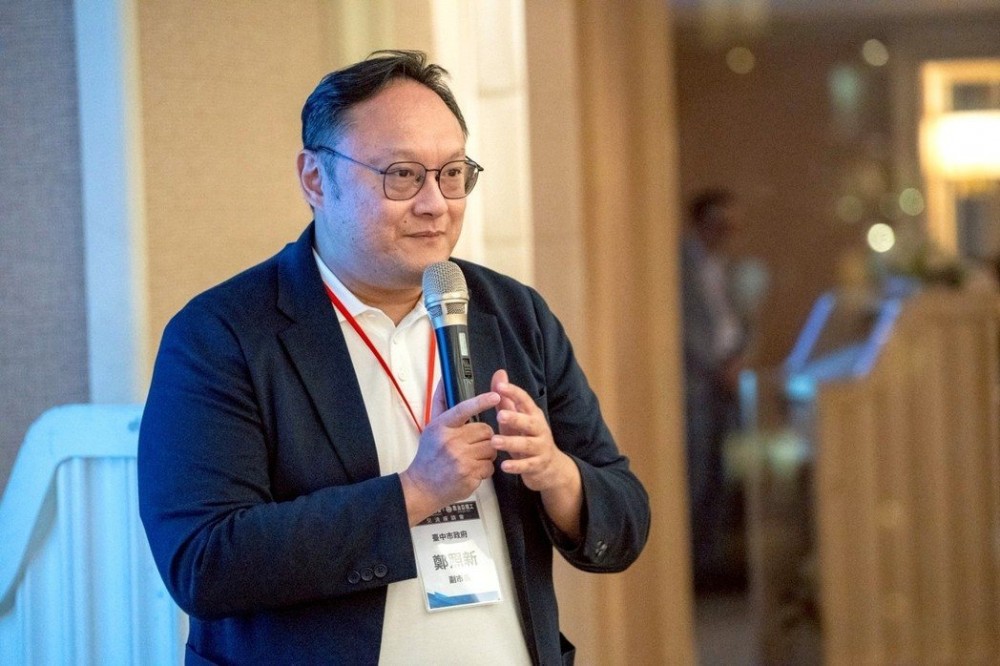
Taichung Deputy Mayor Cheng, Chao-Hsin confirmed that local firms are already integrated into the global supply chains for humanoid and high-end robotics, serving as the "core engine" of Taiwan’s smart manufacturing.
The Georgia Tech Nexus: Bridging Hardware and Intelligence
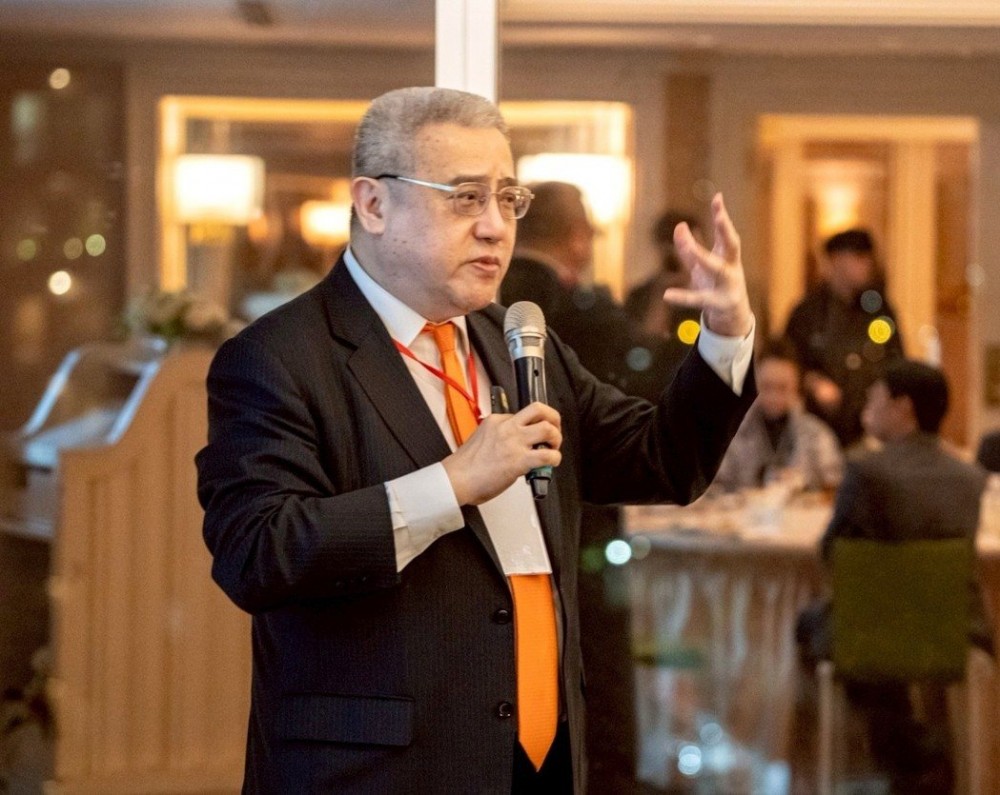
C.Y. Huang, Chairman of the GeoAsia Foundation, highlighted the synergy between Taichung’s "high-quality precision body" (hardware) and Georgia Tech’s world-class "Innovation Engine" (software and AI).
- The OIP Initiative: The Foundation will act as a nexus, launching the Open Innovation Platform (OIP) in Taichung.
- Global Collaboration: The OIP will link local institutions like Tunghai University with the Curiosity Lab in Atlanta, Georgia, enabling a "Designed in Taiwan, Implemented in the U.S." cross-border model
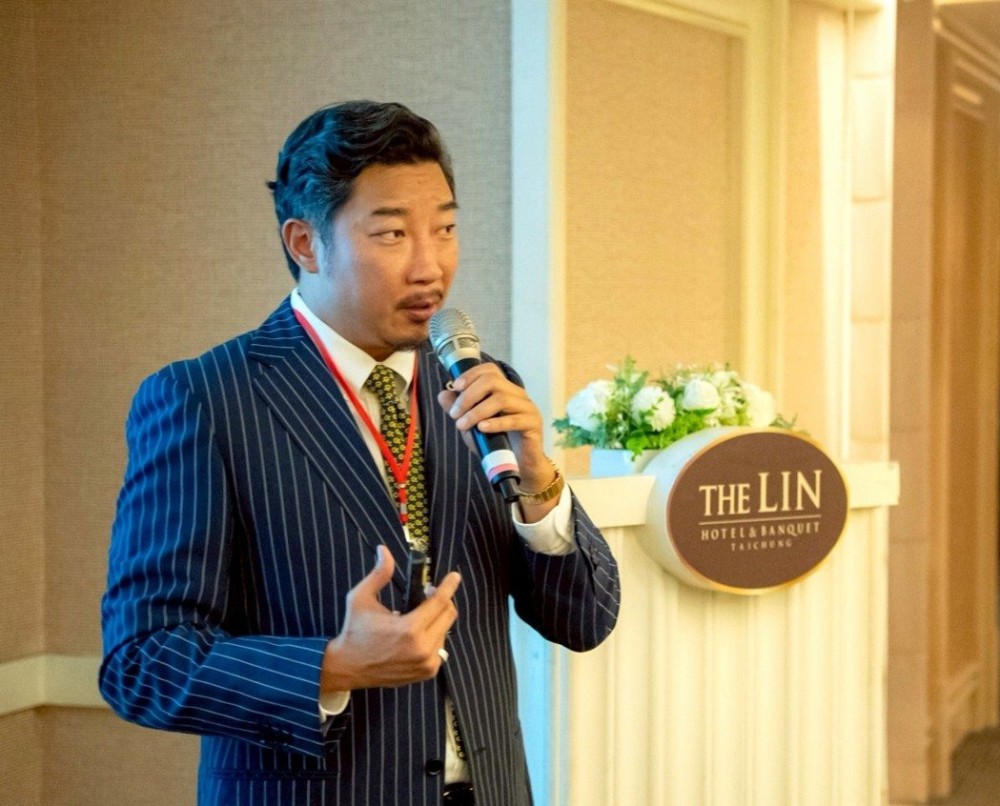
Shelton Chan, Managing Director (Asia Pacific) at Georgia Tech, noted that GT’s Institute for Robotics and Intelligent Machines (IRIM) is a pioneer in "Whole-body Control" algorithms—the same tech powering projects like Tesla Optimus and Boston Dynamics. Georgia Tech will assist Taichung firms through technology transfer and the CREATE-X innovation incubator program.
Overcoming the "Habsburg Curse" of Data
Scholars at the symposium warned of the "Habsburg Curse"—a risk where AI models fail due to "inbred" or noisy datasets. Professor Chang, Ruay-Shiung emphasized that low data integrity leads to diminished algorithmic reliability. However, Taiwan’s vast "domain data" in manufacturing and healthcare offers a unique chance to build Domain-Specific Language Models (DSLM) with native cybersecurity.
Dr. Li, Yung-Hui of the Hon Hai (Foxconn) Research Institute demonstrated this path via the "FoxBrain" foundation model, which powers smart manufacturing and electric vehicles.
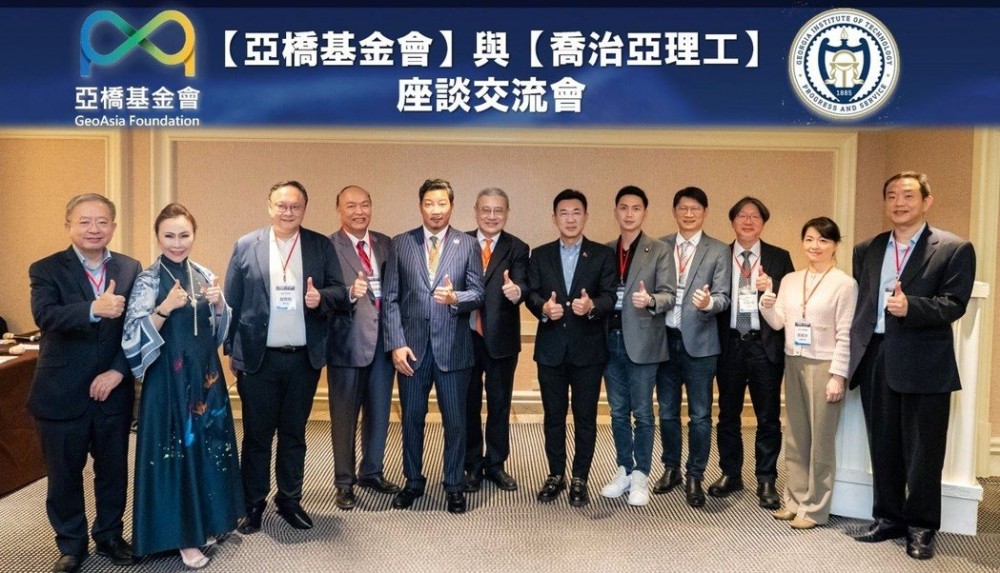
The Vision: A Tripartite Innovation Powerhouse
To achieve the "RoboTaichung" goal, experts recommended a tripartite framework: Taichung × Tunghai University × Georgia Tech. By combining semiconductor strengths with precision engineering, Taichung is evolving from a manufacturing stronghold into Asia’s most competitive AI robotics ecosystem.